In the global effort to combat climate change, carbon offset markets have emerged as a key part of the solution. In Brazil, Decarbonization Credits (CBios) play a crucial role in helping the country meet its CO₂ reduction targets.
CBios, which are part of the National Biofuels Policy (RenovaBio), can be considered one of the most important instruments for cutting greenhouse gas emissions. Each credit represents one metric ton of CO₂ that has been avoided.
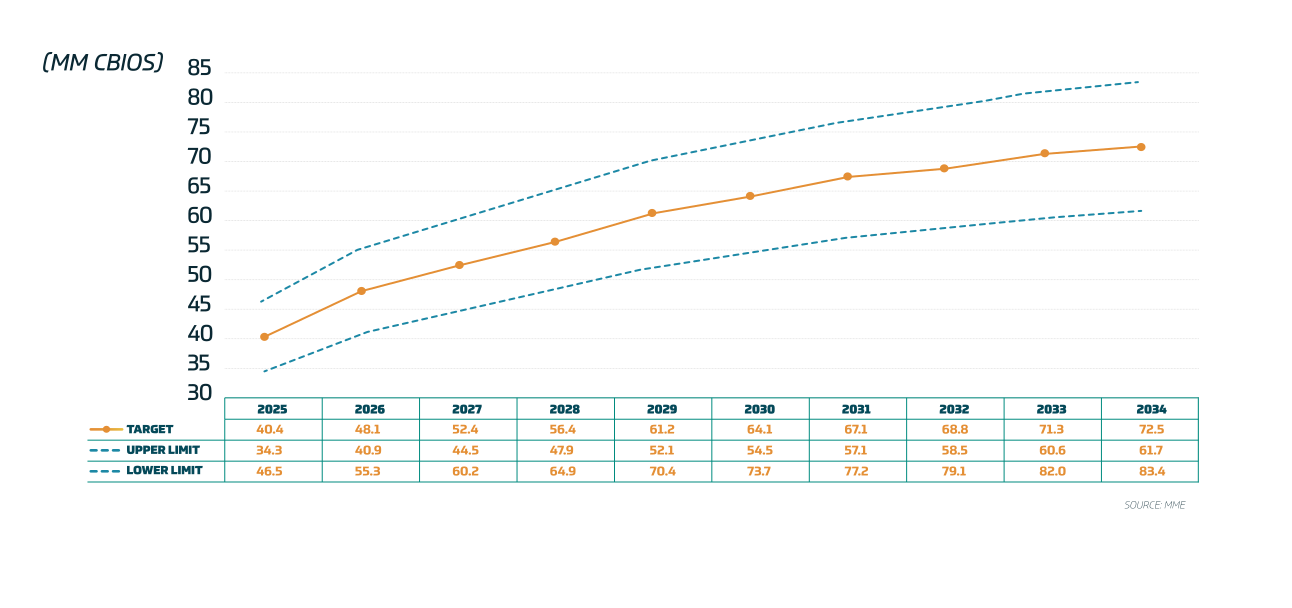
To ensure meaningful emissions reductions, RenovaBio sets annual targets requiring fuel distributors to offset the emissions from fossil fuel sales by purchasing Decarbonization Credits.
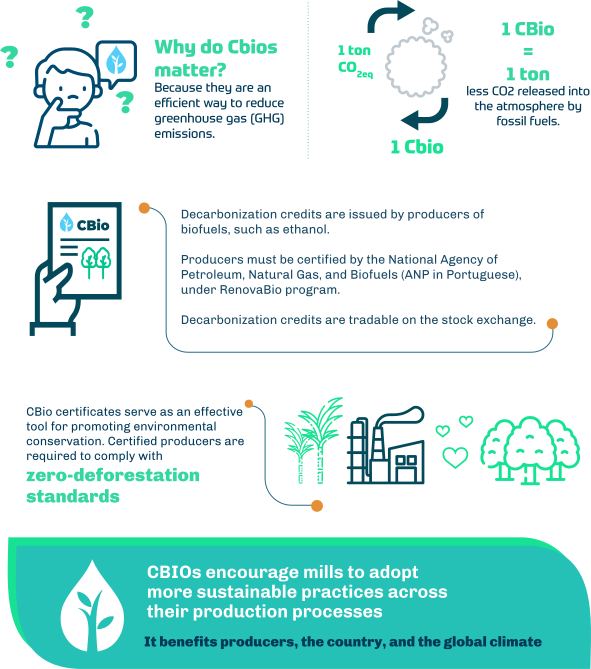
As a tradable security on the stock exchange, CBio encourages biofuel production in Brazil to become even more sustainable, with investment in new technologies and efficiency. The more efficient it is, the more credits the plant can generate.
The Energy-Environmental Efficiency Rating (NEAA in Portuguese) is determined by the National Agency of Petroleum, Natural Gas, and Biofuels (ANP in Portuguese) following an audit of the plant’s production process.
In the case of ethanol, for example, companies with lower carbon intensity require approximately 617 liters of biofuel to generate one CBio.
CBio also serves as an option in the voluntary carbon market, allowing companies and individuals to offset their CO₂ emissions.
Decarbonization Target and Lower/Upper Bound