
The sugarcane and bioenergy sector has continually reinvented itself over the past few decades.
With each breakthrough, new challenges have arisen – requiring innovative solutions, strategic responses, and continuous progress. Here, we highlight just a few of the many initiatives that reflect our ongoing commitment to positioning the sector as sustainable, technologically advanced, forward-looking, and socially responsible.

Renovação
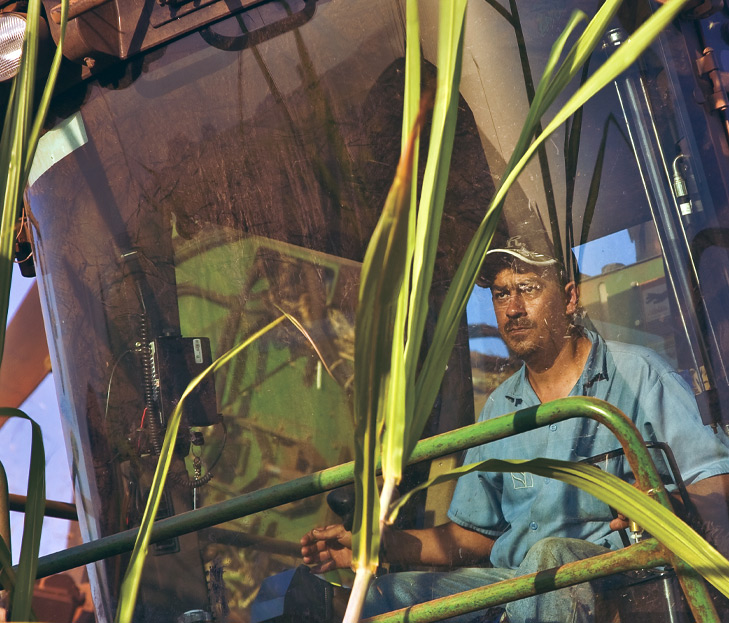
The RenovAção Project was created in response to the technological transformation of sugarcane cultivation, promoting professional training for workers across six of São Paulo’s largest sugarcane-producing regions.
A collaborative effort between UNICA, FERAESP (Federation of Salaried Rural Employees of the State of São Paulo), Fundação Solidaridad, and key industry players – Syngenta, Case IH, Iveco, and FMC – the initiative was supported by the Inter-American Development Bank (IDB).
RenovAção focused on retraining rural workers for new roles within the industry, such as harvester operators, electricians, mechanics, and truck drivers, as well as for alternative economic activities like horticulture, dressmaking, and lathe operation.
National Commitment
Signed in 2009, the “National Commitment to Improve Working Conditions in Sugarcane” was a voluntary and evolving agreement that set forth 30 key labor practices to be adopted across the industry.
The result of a tripartite negotiation involving the sugarcane industry, labor representatives, and the Federal Government, the commitment also provided for independent monitoring by external organizations to track and ensure progress in improving working conditions.

Cana Conviver Project
The Cana Conviver Project was designed to promote best practices for biodiversity conservation within protected areas managed by the sugarcane production sector. With a special focus on the puma (Puma concolor), the initiative was a collaborative effort involving UNICA, Corredor das Onças, the Chico Mendes Institute for Biodiversity Conservation (ICMBio), and FMC.